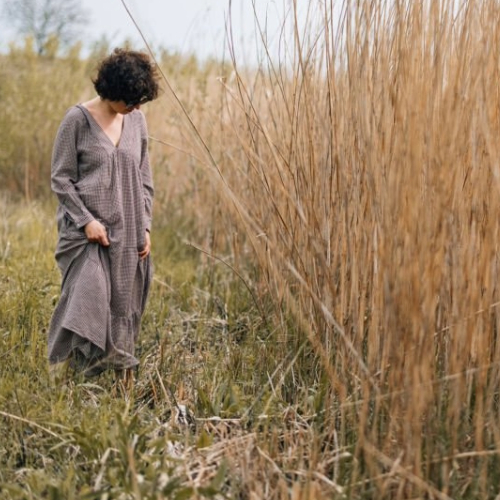
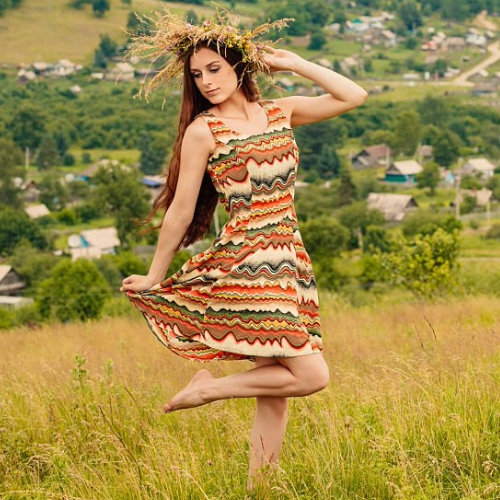
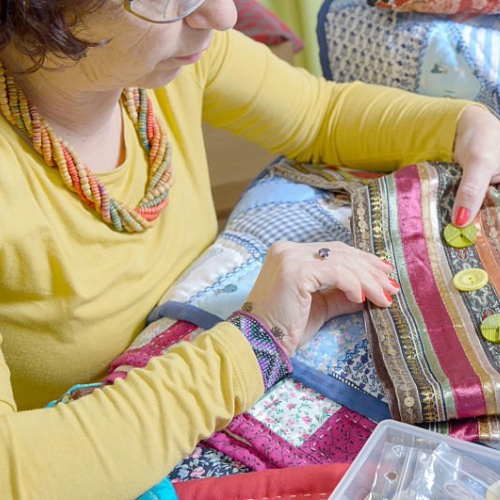
In the quaint town of Windvale, nestled between rolling hills and whispering forests, there was a place where the winds carried more than just the songs of nature. They carried stories, ideas, and beliefs, each as diverse as the leaves rustling in the breeze. In this town lived Emily, a young architect whose vision was to build not just structures of brick and mortar, but bridges of understanding and unity.
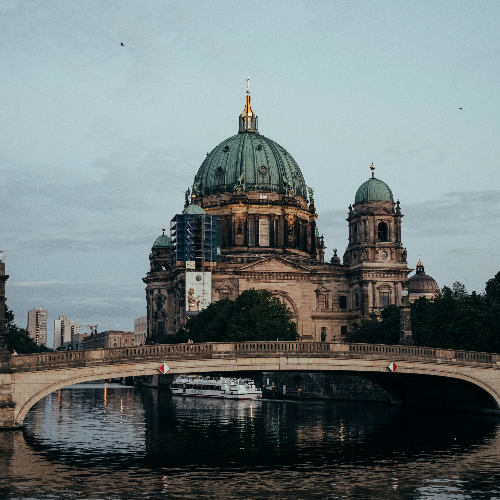
Emily’s dream stemmed from her childhood, spent in the multicultural tapestry of Windvale. She grew up listening to the varied tales of her neighbors, each story a thread in the rich fabric of the community. Yet, she noticed invisible walls of misunderstanding and prejudice that often divided people. Emily’s ambition was to create spaces that encouraged dialogue and fostered connections, believing that physical spaces could influence thoughts and relationships.
The challenges she faced were as varied as the beliefs in Windvale. Securing funding and support for her unconventional ideas was a task as daunting as the designs she envisioned. Skepticism from traditionalists, who saw her ideas as fanciful, was as persistent as the wind that swept through the town.
Yet, Emily’s resolve was as steadfast as the mountains surrounding Windvale. Her designs, inspired by the natural breezes and the diverse cultures of the town, were innovative and inclusive. She imagined public spaces that were more than just parks and buildings – they were forums for the exchange of ideas, melting pots of cultures and beliefs.
The first project, a community center named ‘The Breeze Pavilion,’ was a testament to her vision. Its open walls allowed the wind to flow freely, symbolizing the unrestricted exchange of ideas. The center’s design incorporated elements from various cultures, each space telling a story, encouraging people to explore and understand the diverse tapestry of Windvale.
The Breeze Pavilion became a hub of activity, hosting cultural festivals, dialogues, and art exhibits. People from different backgrounds came together, their interactions facilitated by the inviting design of the space. Prejudices began to melt away, replaced by a growing sense of community and understanding.
“Building Bridges Between Breezes and Beliefs” was not just a story of architectural success; it was a narrative of social transformation. Emily’s projects began to dot the landscape of Windvale, each a testament to the power of inclusive thinking and the impact of space on societal dynamics.
Her journey became an inspiration, a beacon for aspiring architects and community leaders. It was a vivid reminder that the built environment is not just about creating structures but about fostering communities, bridging divides, and nurturing a shared sense of belonging.
In every breeze that flowed through Windvale, in every conversation sparked in the spaces she created, Emily’s vision resonated. Her story, “Building Bridges Between Breezes and Beliefs,” stood as a testament to the belief that architecture is not just about buildings, but about building connections, understanding, and a harmonious coexistence amidst a diversity of beliefs and cultures.