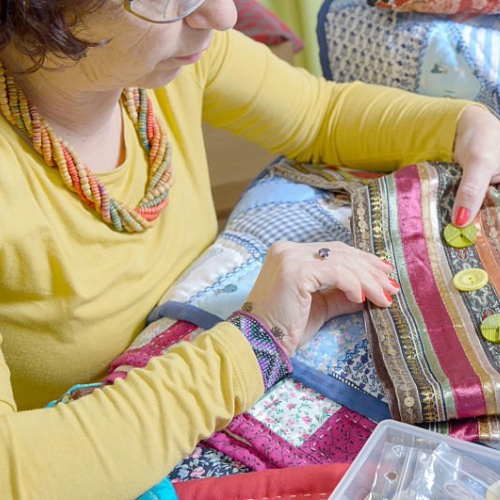
In the tapestry of human intellect, the threads of kinetic knowledge stand out with their vibrant hues and dynamic patterns. Kinetic knowledge, or the understanding derived from physical movement and experience, is a realm often overlooked, yet it’s intricately interwoven into the very fabric of our learning process.

The Dance of Learning: How Movement Enhances Cognitive Abilities
Picture a child, her tiny feet tapping to an innate rhythm as she learns to walk. This is kinetic knowledge at its most fundamental. But the dance doesn’t stop there. Research shows that incorporating movement into education enhances learning at every age. It’s not just about physical education classes; it’s about integrating movement into all aspects of learning. From math lessons that use body movements to help visualize problems to history classes where students act out historical events, kinetic learning is a multi-sensory approach that enriches understanding and retention.
The Forgotten Thread: Why Kinetic Knowledge is Underrated in Traditional Education Systems
Despite its benefits, kinetic knowledge is often a neglected strand in the traditional education system. Classrooms have long been realms of stillness, where movement is restricted and learning is confined to listening and observing. This static approach overlooks the power of physical engagement in learning. When students are encouraged to move, they’re not just learning with their minds but with their entire being, creating a holistic educational experience.
Knitting the Knots: Integrating Kinetic Knowledge into Everyday Learning
So, how do we start knitting these knots of kinetic knowledge into our everyday learning? The key lies in creativity and a willingness to step beyond the conventional classroom boundaries. It could be as simple as teachers encouraging students to build models of what they’re learning, or as complex as redesigning curricula to include more experiential learning opportunities. Parents can also play a role by encouraging play-based learning at home, where physical activities and games become a conduit for understanding new concepts.
The Future of Learning: Embracing Kinetic Knowledge for a Fuller Education
Looking forward, the fusion of kinetic and traditional cognitive approaches heralds a more comprehensive form of education. By acknowledging the importance of movement and experience in learning, educators can unlock a fuller, more engaging way of teaching that caters to a diverse range of learning styles. This isn’t just about education reform; it’s about recognizing and valuing the different ways in which we understand and interact with the world around us.
Conclusion: The Harmonious Blend of Movement and Mind
In conclusion, knitting the knots of kinetic knowledge isn’t just a metaphorical concept. It’s a necessary evolution in our approach to education and learning. By blending movement with cognitive learning, we can create a more vibrant, effective, and inclusive educational tapestry that recognizes and nurtures the diverse ways in which human beings learn and grow. Let’s dance our way to a deeper understanding and embrace the kinetic wisdom that lies in every step.